


 United States
 Best Seller
 Label Printers
 All PDAs
 All Tablets
 All Thermal Labels
 Printer Accessories
In the world of baking, the first bite isn't taken with the mouth—it’s taken with the eyes. Whether you are a professional pastry chef, a small-business owner running a boutique kitchen, or a hobbyist sharing treats with neighbors, the presentation of your goods is just as important as the recipe itself.
This is where personalized labels for baked goods come into play. A simple cookie or a loaf of sourdough is transformed into a professional product the moment you apply a high-quality, custom label. In this comprehensive guide, we will explore why bakery labels are essential, how to design custom labels for food packaging, and the best ways to use homemade food labels to grow your brand.
Why Personalized Labels Matter for Your Bakery Business
The baking industry is highly competitive. From local farmers' markets to Instagram-based "ghost kitchens," everyone is vying for the customer's attention. Personalized labeling offers several strategic advantages:
1. Building Brand Recognition
Your brand is more than just a name; it’s an identity. When a customer buys a box of cupcakes and loves them, they need to know where to find you again. A custom label serves as a permanent business card. By using consistent colors, logos, and fonts on your custom labels for food packaging, you build a visual memory in the minds of your consumers.
2. Establishing Professionalism and Trust
Let’s be honest: a plain plastic bag tied with a twisty-tie looks amateur. A professional bakery label signals to the customer that you take your craft seriously. It suggests quality control, hygiene, and attention to detail. This trust is what allows small businesses to charge premium prices.
3. Compliance with Food Safety Regulations
Depending on where you live, "Cottage Food Laws" often require you to list specific information on your packaging. This typically includes: the name of the product, a full list of ingredients, Net weight, Allergen warnings (e.g., "Contains Nuts"), and your business address.
Using homemade food labels ensures you stay compliant while maintaining a beautiful aesthetic.
Types of Labels for Baked Goods
★ Bakery Labels
These are general-purpose labels for packaging baked items — perfect for branded boxes, bags, or containers. You can highlight your logo and product name prominently.

★ Homemade Food Labels
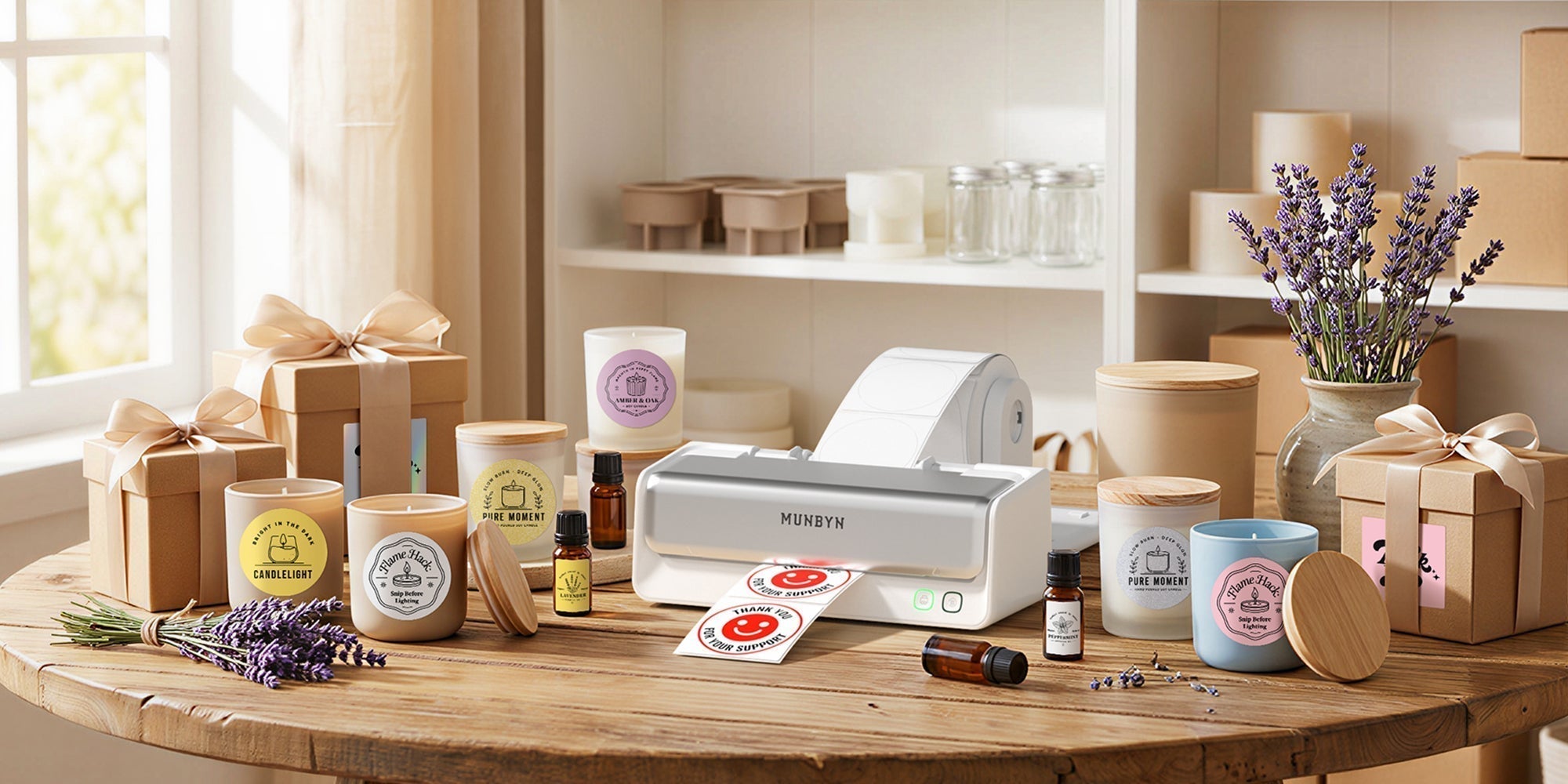
Perfect for small-batch bakers and cottage food businesses, these often include unique touches — like personalization with your bakery name or a message like “Baked with Love.” And these labels can include ingredient lists, allergen info, and marketing messages. They’re ideal when selling retail or online.
★ Specialty and Decorative Labels
These are stylish labels designed to evoke a certain theme — seasonal, minimalist, rustic, or elegant. They’re particularly effective for giveaways, holidays, or boutique gift packaging.
Designing the Perfect Bakery Label
What You Need to Include
Creating a label is an art form. You want to balance beauty with utility. Here are the key elements to consider for your next batch of baking labels.
✔ The Logo and Brand Name
This should be the focal point. Ensure your logo is high-resolution so it doesn't look blurry when printed. If you don’t have a logo yet, a clean, elegant font for your business name works wonders.
✔ The Product Name
Be descriptive but concise. Instead of just "Bread," try "Artisan Rosemary Sea Salt Focaccia." This adds value and justifies a higher price point.
✔ Ingredients and Allergens
Transparency is a huge trend in the food industry. Customers appreciate knowing exactly what is in their food. Clearly mark common allergens like gluten, dairy, nuts, and soy.
✔ "Made On" and "Best By" Dates
Freshness is the hallmark of a good bakery. Including a date on your homemade food labels shows the customer that they are getting a product made with care and without excessive preservatives.
How to Choose the Right Sticker Size
- 2-inch circles are standard for jar lids and cookie bags.
- 4x6-inch labels are great for large shipping boxes or detailed ingredient lists.
- Small 1x2-inch labels work well for price tags or flavor names.
Style of Your Personalized Labels for Baked Goods
A consistent and appropriate style makes your personal brand more memorable.
▶ Minimalist Chic
Less is more. A white or clear label with black serif typography is incredibly popular for high-end artisan breads and pastries. It screams "high quality" without trying too hard.
▶ Eco-Friendly Aesthetics
Using Kraft paper (brown) labels suggests an organic, "farm-to-table" vibe. This is perfect for rustic pies, granola, and sourdough. It pairs beautifully with twine and compostable packaging.
▶ Bright and Bold
If your brand is fun and youthful, creative thermal labels make your package more aesthetic and appealing. Don't be afraid of color! Use vibrant bakery labels that match the energy of your treats.
Seasonal Labeling: The Secret to Boosting Holiday Sales
One of the biggest advantages of printing your own personalized labels for baked goods is the ability to pivot for the holidays.
During October, you can swap your standard labels for ones with a "spooky" theme. In December, add a "To/From" section to your custom labels for food packaging so your boxes are gift-ready. This added convenience for the customer makes your product the preferred choice for holiday shoppers.
Creative Ways to Use Custom Labels for Food Packaging
Labels aren't just for the front of a box. Think outside the box to create a truly immersive unboxing experience.
1. Tamper-Evident Seals
Use long, rectangular thermal labels to seal your boxes or bags. This not only looks professional but also gives the customer peace of mind that their food hasn't been handled since it left your kitchen.
2. Flavor Identifiers
If you sell boxes of assorted macarons or donuts, use small circular thermal labels on the individual wrappers to identify the flavors(eg, pink + “Strawberry”, brown + “Chocolate”). This prevents the "mystery bite" and adds a touch of luxury.
3. QR Codes for Social Media
Your physical packaging should bridge the gap to your digital presence. Print a small QR code on your bakery labels that leads customers to your Instagram page or a "Leave a Review for Prize Draw" link. It’s the easiest way to turn a one-time buyer into a loyal follower.
4. Storytelling Labels
On the back of your packaging, use a label to tell a 2-sentence story about your bakery. "Baked with my grandmother's recipe in the heart of Ohio." This emotional connection is why people shop small.
Final Thoughts
Personalized labels for baked goods do more than decorate — they communicate quality, protect customers, and power sales. Whether your priority is crisp branding for cookie boxes, clear allergen notices for artisan bread, or durable shipping stickers for nationwide orders, a well-chosen label strategy delivers measurable returns: faster checkouts, fewer customer questions, higher perceived value, and repeat buyers.
Start small: update one product’s label to be clearer and more on-brand, test customer response, then scale up. If you want a fast, flexible place to buy professional baking labels or create fully custom sticker runs, check MUNBYN’s collections and custom label option. (Use the discount code "MYSEO", and you can enjoy an extra 8% off sitewide!)
Share:
Thermal Paper vs Regular Paper — What’s The Difference
Barcode Scanners vs. RFID: Which One is Right for You?